How Digital Twin Technology Is Revolutionizing Retail in 2026

Retail today is no longer about just keeping shelves full. It is about knowing exactly what to stock, where to stock it, and when to move it. With customer expectations rising and supply chains still unpredictable, retailers are under constant pressure to make faster and more accurate planning decisions.
This is where digital twins in retail are changing the game.
Instead of relying on static reports or outdated forecasts, retailers are using digital twins to gain real time visibility into inventory, simulate demand scenarios, and plan smarter across stores, warehouses, and supply chains. The result is better inventory decisions, fewer surprises, and planning teams that are finally ahead of the curve instead of chasing it.
What Are Digital Twins in Retail
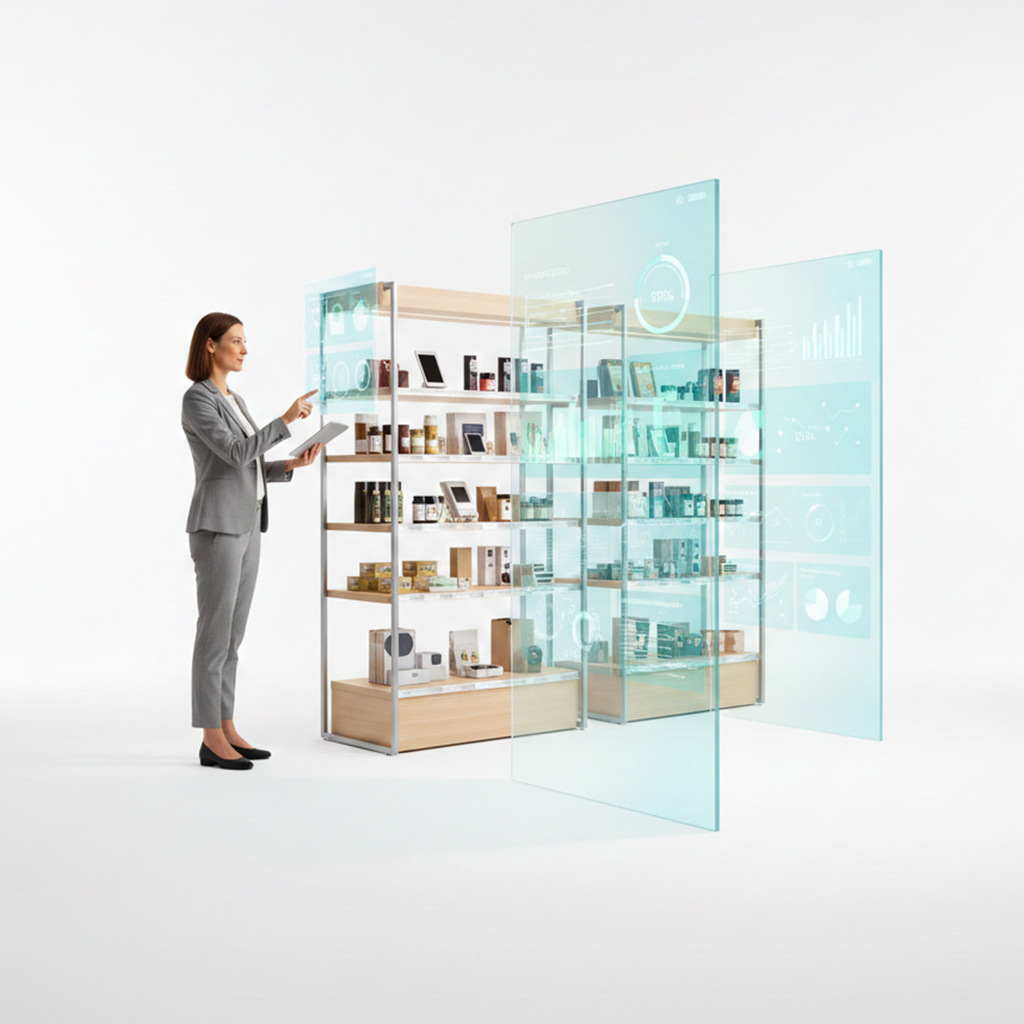
Digital twins in retail are real time digital replicas of physical retail operations such as inventory, stores, and supply chains. They continuously update using live data from POS systems, ERP platforms, and connected devices, allowing retailers to see what is happening now and predict what is likely to happen next.
Unlike traditional dashboards that only show historical performance, a digital twin behaves like a living model of your business. It mirrors inventory movement, demand shifts, and operational constraints as they happen. This allows retailers to test decisions virtually before executing them in the real world.
In simple terms, digital twins help retailers stop guessing and start planning with confidence.
Why Digital Twins Matter for Modern Retail Planning
Retail planning has become significantly more complex over the last few years. Omnichannel fulfillment, shorter product life cycles, and volatile demand patterns have made traditional forecasting tools less reliable.
Most retailers still struggle with:
- Limited real time visibility into inventory across channels
- Overstocking slow moving items while fast sellers run out
- Demand forecasts based on outdated assumptions
- Poor coordination between inventory, supply chain, and store teams
Digital twins address these challenges by connecting data across the retail ecosystem and turning it into actionable insight. Instead of reacting after a problem appears, planners can anticipate issues and adjust before revenue or customer experience is impacted.
How Digital Twins Improve Retail Inventory Management
Inventory management is one of the strongest and most practical use cases for digital twins in retail.
Real Time Inventory Visibility
A digital twin creates a single, accurate view of inventory across stores, warehouses, and in transit stock. Because the model updates continuously, planners always know what is available and where potential gaps are forming.
This level of visibility helps reduce blind spots that often lead to unexpected stockouts or unnecessary overstock.
Smarter Demand Forecasting
Digital twins combine historical sales data with real time signals such as current sales velocity, promotions, and regional demand patterns. Advanced analytics and machine learning help forecast demand more accurately than traditional models.
Planners can also simulate scenarios. For example, what happens to inventory if demand spikes during a promotion or drops due to external factors. These simulations allow teams to plan inventory with much greater precision.
Scenario Based Replenishment Planning
Instead of committing to one replenishment strategy, planners can test multiple options inside the digital twin. They can see how different reorder points, lead times, or supplier constraints impact service levels and costs.
This is especially valuable during peak seasons or periods of uncertainty when mistakes are costly.
Digital twins improve retail inventory planning by:
- Providing real time inventory visibility across channels
- Improving demand forecasting accuracy
- Reducing stockouts and overstock situations
- Enabling scenario based replenishment planning
- Supporting faster and more confident decision making
Digital Twins in Retail Supply Chain and Planning
Inventory planning does not exist in isolation. It is closely tied to supply chain performance, logistics, and store execution.
By creating a digital twin of the supply chain, retailers can simulate disruptions such as supplier delays, transportation bottlenecks, or warehouse capacity issues. This helps planners understand how problems will impact inventory availability before they reach the shelf.
With this insight, teams can proactively reallocate inventory, adjust replenishment plans, or activate backup suppliers. Instead of reacting to disruptions, retailers can plan around them.
Digital twins also improve collaboration between planning, supply chain, and operations teams by providing a shared view of the business. Everyone works from the same data and scenarios, reducing misalignment and delays.
See How Digital Twins Power Smarter Retail Decisions
Explore how simulation and predictive insights help retailers plan faster, reduce waste, and improve service levels.
Store Planning and Merchandising Use Cases
Digital twins are not limited to inventory and supply chains. They are also being used inside stores to support planning and execution.
Retailers can create digital replicas of store layouts to test changes before rolling them out. This includes experimenting with product placement, promotional displays, aisle configurations, and checkout flow.
By simulating customer movement and behavior, teams can understand how layout changes impact sales and inventory turnover. This helps connect merchandising decisions directly to inventory performance and demand patterns.
For planners, this means better alignment between what is stocked and how products are actually experienced in store.
Market Insights: Why Retailers Are Adopting Digital Twins Faster
Retail adoption of digital twins is accelerating because the technology is delivering real results, not just theoretical value.
Here are some insights that stand out across the market:
Area | What Retailers Are Gaining |
Forecast accuracy | More reliable demand predictions using real time data |
Inventory efficiency | Lower carrying costs and fewer markdowns |
Planning speed | Faster scenario evaluation and decision cycles |
Risk management | Early visibility into disruptions and bottlenecks |
The key insight is that digital twins help retailers shift from reactive planning to predictive planning. Teams spend less time firefighting and more time optimizing performance.
Challenges Retailers Should Be Prepared For
While digital twins offer strong benefits, success depends on the right foundation.
Data quality is critical. A digital twin is only as good as the data feeding it. Inaccurate or disconnected systems can limit the value of the model.
Integration also matters. Digital twins work best when connected to ERP, POS, and supply chain systems so that inventory, demand, and operations are aligned.
Finally, adoption is essential. Insights only create value when teams trust and act on them. Retailers need to ensure planners and decision makers are comfortable using simulation driven insights as part of their daily workflow.
How Retailers Can Start Using Digital Twins
Getting started with digital twins does not require a full transformation on day one. The most effective approach is phased and focused.
How digital twins work in retail planning:
- Collect real time data from inventory, sales, and supply chain systems
- Create a digital model that mirrors physical operations
- Apply analytics and AI to simulate demand and inventory scenarios
- Use insights to plan inventory, replenishment, and operations
Retailers often begin with one high impact use case such as inventory forecasting or replenishment planning. Once value is proven, the model can be expanded to additional stores, regions, or functions.
This approach reduces risk and helps teams see measurable results early.
Why Digital Twins Are Becoming Essential for Retail Success
Retail is becoming more complex, not simpler. Customers expect availability, speed, and consistency across channels. Supply chains remain fragile. Competition is intense.
In this environment, planning based on averages and assumptions is no longer enough.
Digital twins give retailers a way to understand their operations as a living system. They connect inventory, demand, supply chain, and store execution into one intelligent model that supports smarter decisions.
Retailers that adopt digital twins gain clearer visibility, faster response times, and more resilient planning capabilities. Those that delay risk falling behind competitors who are already planning with foresight instead of hindsight.
Final Thoughts and a Note for Techverx Readers
Digital twins in retail are not a passing trend. They represent a practical shift in how inventory and planning decisions are made. From smarter demand forecasting to more resilient supply chains and better store execution, the impact is tangible and growing.
For retailers looking to move beyond reactive planning and build a data driven future, digital twins offer a clear path forward.
At Techverx, we help retailers turn complex data into real, actionable insight. Whether you are exploring digital twins for inventory management, retail planning, or supply chain optimization, having the right strategy and implementation partner makes all the difference.
If you are ready to plan smarter, reduce uncertainty, and gain deeper visibility into your retail operations, now is the right time to start the conversation.
What is a digital twin in retail?
A digital twin in retail is a real-time digital replica of physical assets, systems, or processes, such as stores, inventory, or customer journeys, that uses live data to simulate, monitor, and optimize retail operations.
How does digital twin technology work in retail?
Digital twin technology works by collecting data from IoT devices, POS systems, and operational platforms to continuously update a virtual model of the retail environment, enabling simulation, analysis, and predictive decision-making.
Why is digital twin technology important for retail in 2026?
In 2026, digital twin technology helps retailers stay competitive by improving operational efficiency, enabling predictive planning, reducing costs, and delivering more personalized customer experiences across digital and physical channels.
How do digital twins improve customer experience in retail?
Digital twins enable immersive product visualization, personalized recommendations, and optimized store layouts, helping customers make better purchase decisions and enjoy a more seamless shopping experience.
Can digital twin technology help with inventory management?
Yes, digital twins provide real-time inventory visibility and demand forecasting, allowing retailers to reduce stockouts, avoid overstocking, and improve order fulfillment accuracy.
What retail operations can benefit from digital twins?
Retail operations such as store layout planning, inventory management, supply chain optimization, staffing, energy management, and customer experience design can all benefit from digital twin technology.

Hannah Bryant
Hannah Bryant is the Strategic Partnerships Manager at Techverx, where she leads initiatives that strengthen relationships with global clients and partners. With over a decade of experience in SaaS and B2B marketing, she drives integrated go-to-market strategies that enhance brand visibility, foster collaboration, and accelerate business growth.
Hiring engineers?
Reduce hiring costs by up to 70% and shorten your recruitment cycle from 40–50 days with Techverx’s team augmentation services.
Related blogs